Guqin Music
Introduction
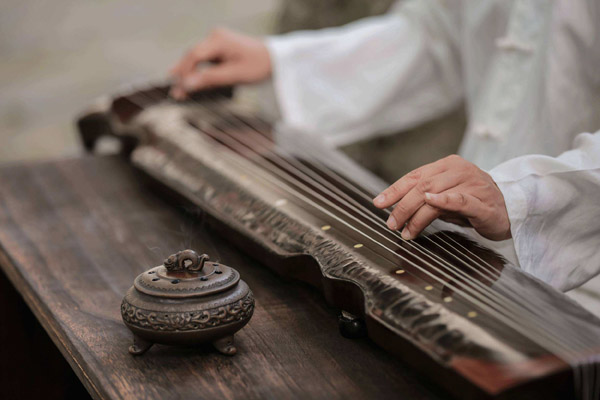
Guqin music is an integral part of Chinese culture, with a history spanning over three millennia. The guqin, a seven-string zither-like instrument, has long been associated with the educated elite of ancient China and is revered for its refined, introspective sound.
The guqin, or qin, a seven-stringed Chinese zither, is one of China's oldest instruments. In 2003, UNESCO proclaimed China's ancient guqin music a masterpiece of the oral and intangible heritage of humanity. In 2008, it was added to the Representative List of the Intangible Cultural Heritage of Humanity by UNESCO.
The Historical Context
The guqin has been a symbol of Chinese intellectualism and spirituality. It was favored by Confucius and other literati, serving as a medium for personal cultivation and introspection. The instrument is often linked with ancient tales, such as the friendship between Yu Boya and Zhong Ziqi, which underscores the deep emotional connectivity guqin music can evoke. Throughout history, the guqin has been considered one of the four arts of the Chinese scholar, alongside chess, calligraphy and painting.
In ancient China, the guqin was more than just a musical instrument; it was a tool for self-expression and philosophical reflection. The instrument's significance is evident in its inclusion in early Chinese literature and archaeological findings. Guqin music was traditionally written in a unique tablature, which emphasizes the importance of individual interpretation and emotional expression over strict rhythmic precision.
Guqin Craftsmanship
The craftsmanship of the guqin is a meticulous art, with artisans like Ma Weiheng and Yang Lan dedicating their lives to perfecting the instrument's construction. The choice of materials, such as aged paulownia wood, and the traditional methods of crafting contribute to the guqin's distinctive sound and aesthetic. This dedication to quality ensures that each guqin not only serves as a musical instrument but also as a piece of cultural heritage.
Notable Artists
Modern guqin artists, such as Wu Wenguang and his daughter Wu Ye, continue to innovate while respecting tradition. They work to expand the guqin repertoire by adapting contemporary music and creating new compositions. These efforts help bridge the gap between tradition and modernity, making guqin music accessible to a broader audience.
Modern Development
In recent years, guqin music has experienced a revival both within China and globally. This resurgence is fueled by a growing interest in traditional Chinese culture among younger generations and efforts by guqin masters and enthusiasts to preserve and promote the instrument. Educational institutions and cultural organizations have played a significant role in this revival by hosting concerts, workshops, and exhibitions that highlight the guqin's rich heritage.
Internationally, guqin music continues to inspire musicians and audiences. The London Youlan Qin Society, founded by Cheng Yu, exemplifies how the instrument can foster cross-cultural appreciation and understanding. Cheng's efforts in the UK highlight the global reach and adaptability of guqin music, as it resonates with audiences far beyond its Chinese origins.
Despite its rich history and cultural significance, guqin music faces challenges in the modern age, such as the need for more comprehensive educational resources and preservation efforts. However, the ongoing dedication of musicians, craftsmen and cultural organizations ensures that the guqin will continue to be an important part of both Chinese heritage and global music culture.








